
Find Your Perfect Fit for a Straighter, Healthier Smile
Book
appointments
in advance
Let our specialist talk to you
No. 1
Dental clinic in Bengaluru
25K+
Patients treated this far
10+
Years of Experience
3
Caring Locations
Home » Ceramic Braces or Metal Braces
Ceramic Braces or Metal Braces
Braces treatment, also known as orthodontic treatment, is a dental procedure used to align and straighten teeth, correct bite issues, and improve the overall appearance and functionality of the smile. Braces consist of brackets, wires, and bands that apply gentle pressure to the teeth, gradually moving them into their proper positions over time.
Undergoing braces / orthodontic treatment, offers numerous benefits that go beyond just improving the appearance of your smile. Some of the key advantages of orthodontic treatment include:
- Improved Dental Health: Orthodontic treatment helps align teeth properly, making them easier to clean and reducing the risk of tooth decay, gum disease, and other dental issues.
- Better Oral Function: Correcting bite issues and misalignment of the jaws can improve chewing and speech, leading to better overall oral function.
- Pain Relief: Orthodontic treatment can help alleviate jaw pain and discomfort caused by bite problems, such as temporomandibular joint (TMJ) disorders.
- Improved Digestion: Properly aligned teeth aid in efficient chewing, which supports better digestion and overall nutritional intake.
- Boost in Self-Confidence: A beautiful and confident smile can improve social interactions and contribute to a positive self-image.
- Personal and Professional Advantages: A straight, healthy smile can create a positive first impression and may have a positive impact on personal and professional relationships.
- Facial Symmetry: Properly aligned teeth and jaws contribute to better facial balance and symmetry, enhancing overall facial aesthetics.
A person should consider going for braces treatment if they have dental issues that require orthodontic correction. Some common signs that may indicate the need for braces include:
- Crooked or Misaligned Teeth: If you have teeth that are visibly crooked, overlapped, or misaligned, braces can help straighten them for a more attractive and functional smile.
- Overbite or Underbite: If your upper front teeth excessively overlap the lower ones (overbite) or the lower teeth protrude beyond the upper ones (underbite), braces can correct these bite issues.
- Crossbite: When the upper teeth fit inside the lower teeth, it’s known as a crossbite. Braces can realign the bite for improved jaw function and aesthetics.
- Open Bite: An open bite occurs when there is a gap between the upper and lower front teeth when the back teeth are together. Braces can address this issue and improve chewing efficiency.
- Spacing or Gaps: If you have significant gaps or spaces between your teeth, braces can help close these spaces for a more uniform smile.
- Crowded Teeth: Braces can be used to create space and align teeth that are crowded or overlapping, making it easier to clean and maintain oral hygiene.
The best way to determine if you need braces is to consult our expert orthodontist. They will conduct a comprehensive evaluation of your teeth, jaw, and bite to recommend the appropriate orthodontic treatment for your specific needs.
The ideal age for getting braces can vary depending on the individual’s specific dental needs. Generally, braces are recommended for children and adolescents, but adults can also benefit from orthodontic treatment. Here are some common scenarios for when a person might consider getting braces:
- Early Orthodontic Treatment: Some children may require braces at a younger age, typically between 7 to 10 years old, to address specific issues like crowding, crossbites, or protruding teeth. This early intervention can help guide the growth of the jaw and create more space for permanent teeth.
- Adolescent Orthodontic Treatment: Adolescence, between the ages of 11 to 17, is the most common time for orthodontic treatment. This is when most permanent teeth have erupted, and the jaw is still growing, making it an ideal time for braces to correct misalignments and achieve the best results.
- Adult Orthodontic Treatment: Adults of any age can benefit from braces if they have dental issues that need correction. Advancements in orthodontic technology, such as clear aligners and more discreet braces options, have made it more appealing for adults to seek orthodontic treatment.
Early intervention can sometimes prevent more severe dental problems in the future, but it’s never too late to achieve a healthier and more aligned smile with braces.
The braces treatment process typically involves the following steps:
- Evaluation and Planning: The orthodontist examines the patient’s teeth, takes X-rays, and develops a treatment plan tailored to their specific dental needs.
- Braces Placement: Brackets are bonded to the teeth using dental adhesive, and wires are threaded through the brackets to apply pressure and guide the teeth into their desired positions.
- Regular Adjustments: Periodic visits to the orthodontist are scheduled for adjustments, where the wires are tightened or changed to continue the teeth straightening process.
- Retention Phase: After the braces have achieved the desired results, a retainer is often used to maintain the new tooth positions and prevent them from shifting back.
Braces or Orthodontic treatment should be performed by a qualified and experienced Orthodontist. An orthodontist is a dental specialist who has completed additional years of education and training, specifically focused on diagnosing, preventing, and correcting dental and facial irregularities, such as misaligned teeth and jaw structure. Ridgetop Dental International ensures that you receive specialized care from our full-time specialist Orthodontist with in-depth knowledge and experience in achieving beautiful, healthy smiles. As recommended by the Indian Dental Council, the braces treatment has to be performed by MDS Orthodontic Specialists only.
Our specialist for
Ceramic Braces or Metal Braces treatment

Dr. Parzhan Zubin Nalladaru
Associate Surgeon - Orthodontics & Dento-Facial Orthopaedics
BDS, MDS - Orthodontics & Dento-Facial Orthopaedics
5+ Years of Experience
Speciality:
Children & Adult Orthodontics, Cleft Cases, Ortho-Surgical Treatments, Invisalign Braces (Invisible Aligners)
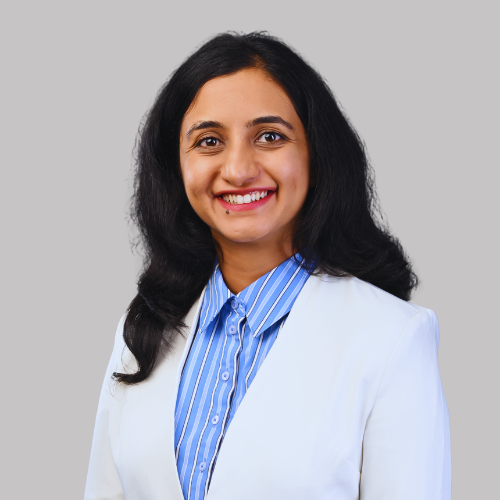
Dr. Shringa Amritheshwari
BDS,MDS
4+ Years of Experience
Speciality:
Children and Adult Orthodontics, Clear Aligners, Orthognathic Surgeries, Cleft Cases, Obstructive Sleep Apnea Management, Mini-Implant Assisted Orthodontics, Invisalign (Clear Aligners).
Patient Testimonials
"I recently visited Ridgetop Dental International for my braces treatment. They have amazing hospitality and treated me very well right from the beginning. Dr. Parzhan patiently addressed my issues and treated me very well. I would recommend Dr. Parzhan for dental treatments without any hesitation."
"The doctors at Ridgetop Dental International are highly professional, supportive and warm in their approach towards their patients. Dr. Parzhan is a very professional, empathetic and skilled doctor who took the time to explain in understandable terms; what needed to be done and provided valuable advice ... regarding the procedure and after care for dental braces of my teenage boys. All thanks to the competent and warm doctors and staff of Ridgetop Dental International clinic, who went the extra mile to help them through the process."

FAQs On Braces Treatment
Braces are orthodontic appliances used to straighten and align teeth, correct bite issues, and improve overall dental health. They consist of brackets attached to the teeth and wires that gradually move the teeth into the desired position.
Braces work by applying gentle pressure to the teeth, encouraging them to move gradually into the correct alignment. Over time, this pressure reshapes the supporting bone, resulting in a straighter smile and improved bite.
The duration of braces treatment varies depending on the severity of the misalignment, but typically ranges from one to three years. Regular adjustments and follow-up appointments with your orthodontist are essential for successful treatment.
You may experience some discomfort or soreness after getting braces and following adjustments. However, this discomfort is usually mild and can be managed with over-the-counter pain relievers. Any significant pain or irritation should be reported to your orthodontist.
While wearing braces, it's best to avoid hard, sticky, or chewy foods that can damage the brackets or wires. These include hard candies, popcorn, nuts, chewing gum, and sticky candies. Our orthodontist will provide a comprehensive list of foods to avoid.
Maintaining good oral hygiene is crucial during braces treatment. Brush your teeth thoroughly after every meal and floss daily to remove food particles and plaque. Using special tools like interdental brushes or water flossers will help to clean around the brackets and wires.
You'll typically need to visit the orthodontist every 4 to 6 weeks for adjustments and progress checks. These appointments are essential for monitoring your treatment progress and making any necessary adjustments to your braces.
Yes, wearing a retainer is an essential part of maintaining the results of your braces treatment. Our orthodontist will provide specific instructions on how long and how often to wear your retainer to ensure your teeth remain straight and aligned.
The cost of braces treatment varies depending on factors such as the type of braces, the duration of treatment, and your location. Ridgetop Dental offers payment plans or financing options to help make braces treatment more affordable.
Book appointments
in advance
Let our specialist talk to you
our services






- S Vimalnath